
It’s 2:00 AM on a Tuesday. Your lead engineer is trying to sync a massive Revit model for a 7:00 AM presentation. The progress bar isn't moving. The "Network Connection Lost" error pops up. You aren't just losing sleep; you're losing money, reputation, and potentially a multi-million dollar contract.
In the world of engineering and architecture, your "network" is two-fold: it’s the hardware and software that keeps your blueprints moving, and it’s the web of partners and clients that keeps your pipeline full. If either one is clogged, your growth stops.
Most firm owners treat IT as a "fix it when it breaks" expense and networking as a "go to a lunch once a month" activity. This approach is outdated. To scale a modern firm, you need a streamlined, high-performance infrastructure and a strategic human ecosystem.
Here is a pragmatic, 5-step guide to optimizing your engineering network to fuel real growth.
Step 1: Define Your Growth Ecosystem (People and Power)
Before you buy a new server or hire a new biz-dev manager, you need to define what you are actually trying to build. Growth doesn't come from "more of everything." It comes from the right connections.
1. Define your technical "Sweet Spot"
What software drives your revenue? Is it AutoCAD? Revit? Civil 3D? If your primary revenue comes from heavy 3D modeling, your network infrastructure needs to be built for high-throughput file transfers. If you’re mostly doing site surveys and remote inspections, you need robust cloud access and mobile security.
2. List your human "Nodes"
For an engineering firm, growth depends on who sends you the work. List your:
- Primary Clients: Developers, municipalities, or manufacturers.
- Multipliers: Architects and General Contractors (GCs) who need your specialized engineering stamp on every project.
- Gatekeepers: Procurement officers and facilities managers.
3. Prioritize Revenue Potential
Rank your contacts and your tech needs. Focus your energy on the 20% of relationships, and the 20% of IT upgrades, that will generate 80% of your revenue over the next 12 months.
Key Takeaway: Stop trying to be everything to everyone. Align your IT capacity with the specific types of projects that make you the most money.
Step 2: Kill the Lag (Optimize the Hardware and Software)
Engineering software is notorious for being a resource hog. If your team is complaining about "lag," they aren't just complaining, they are wasting billable hours.
Large file sharing in architecture and engineering requires more than just a standard internet connection. You need optimized pathing and local caching. If you’re struggling with this, check out our guide on how to speed up large file sharing for architecture teams.
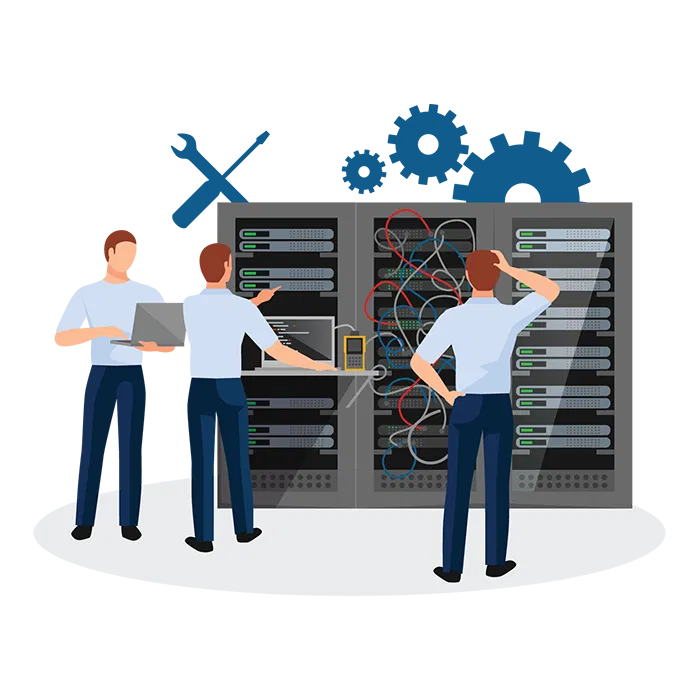
The Specialized Software Problem
Standard IT companies don't understand Revit. They don't know why a Central Model won't sync or why an AutoCAD license is hung up on a server heartbeat. We do. At Direct Support, we provide $150 flat-rate on-demand support specifically for these issues.
Why Flat-Rate?
Traditional IT firms love hourly billing. When your network goes down, they start the clock. We think that’s backwards. You shouldn't be penalized for having a technical problem. Whether it takes us 20 minutes or two hours to get your AutoCAD back online, the price is the same. It keeps our incentives aligned: we want it fixed fast, and so do you.
If your team is constantly waiting for files to load, you are burning cash. Stop wasting time on AutoCAD lag and treat your technical network as a utility, not a luxury.
Step 3: Strengthen Existing Human Connections
Most firms chase new "leads" while their best sources of work are sitting in their "Sent" folder from three years ago. Your existing network is your highest-ROI asset.
1. Map your current network
Export your contacts from LinkedIn and your email. Segment them:
- Category A: Strong relationships/High potential (The architects who always call you).
- Category B: Warm/Medium potential (Past clients you haven't talked to in a year).
- Category C: Weak/Low potential.
2. Re-engage Category B
Don't send a generic "Happy Holidays" card. Send a personalized insight. "Hey [Name], I saw the city just updated the drainage code for mid-rise builds. We just finished a project navigating that, happy to share our notes if you’re looking at anything in that zone."
3. Turn Clients into Advocates
Every time a project closes successfully, ask for two things:
- A testimonial for your website.
- An introduction to one peer who might need similar technical expertise.
Output of Step 3: A cleaned, segmented list where no important relationship goes cold "by accident."

Step 4: Build New Strategic Relationships Intentionally
Networking isn't about collecting business cards at a local mixer. For an engineering firm owner, it’s about becoming a "Value-Add" partner before an RFP is ever released.
1. Choose 2-3 "Hubs"
Don't try to attend every event. Pick the ones where your Multipliers (Architects/GCs) hang out. If you do MEP engineering, go where the developers go. If you do structural, go where the architects go.
2. Content as a Magnet
You don't need to be a "content creator," but you do need to demonstrate expertise. A simple post on LinkedIn about "3 Ways to Reduce Foundation Costs in Expansive Soil" will do more for your growth than a dozen cold calls.
3. The "Direct" Approach to Support
Just as you want to be the direct expert for your clients, you need direct experts for your business. When a client asks if you can handle a high-security project, you need to know your cybersecurity incident response is handled.
At Direct Support, we act as the technical backbone that allows you to say "Yes" to bigger, more complex projects. Whether it's setting up remote network access for a field team or securing your cloud storage, we handle the "how" so you can focus on the "who."
Step 5: Put Systems Behind the Growth
Your network: both human and technical: will fail if it lives only in your head or on a single overworked server.
1. Use a Lightweight CRM
You don't need a complex $500/month system. A simple spreadsheet or a basic CRM will work. Track the last time you spoke to your "Category A" contacts and set reminders to reach out every 30-60 days.
2. Standardize Your IT Support
Stop calling the "computer guy" who works out of his garage and takes three days to call you back. You need rapid response. Engineering deadlines don't wait for "best effort" support.

The Direct Support Advantage:
- No Monthly Contracts: You don't need to pay us for "monitoring" when everything is working.
- $150 Flat-Fee: You know exactly what it costs to fix a problem. No financial surprises.
- Expertise in Your Stack: We know device software and the specific quirks of CAD and BIM environments.
3. Measure What Matters
Review your metrics quarterly. Where are your leads coming from? If 70% of your high-margin work comes from two specific architects, stop spending money on Google Ads and start spending time with those architects.
Key Takeaway: Growth is the result of repeatable systems. Optimize your network infrastructure so it doesn't break, and optimize your human network so it keeps feeding the machine.
Why Direct Support is the Choice for Engineering Firms
The "old way" of IT support involves long-term contracts, high monthly retainers, and technicians who don't know the difference between a PDF and a DWG.
We built Direct Support for firm owners who value speed, transparency, and technical expertise.

If your network is slow, your software is lagging, or your team is frustrated by tech that just won't work, don't sign a 3-year contract with a managed service provider. Just contact us. For a flat $150 fee, we get you back to work.
Whether it's peripheral collaboration tools for your conference room or complex server management, we provide the on-demand muscle your firm needs to grow.
Final Thought:
Your engineering firm is a high-performance machine. To fuel growth, you need a network of people who trust you and a network of technology that supports you. Optimize both, and the growth will follow.
Ready to clear the technical hurdles standing in your way? Start here and see how $150 can solve your biggest IT headache today.